
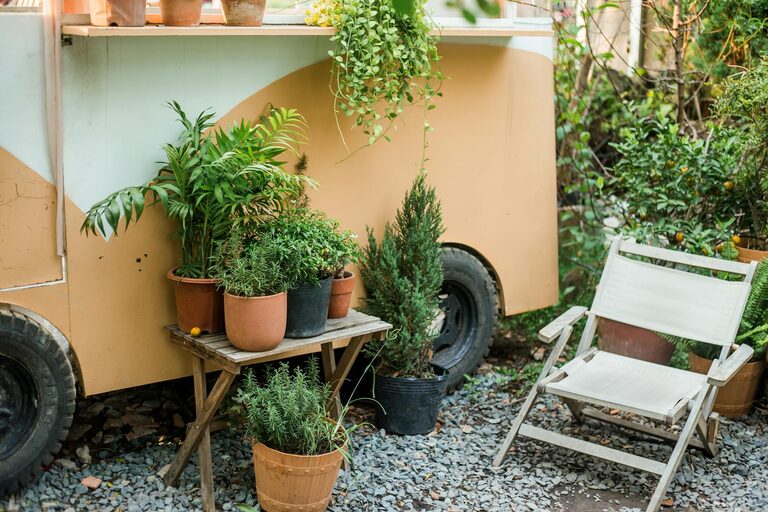
Tips for Creating a Relaxing Garden Space at Home
Creating a relaxing garden space at home can transform your outdoor area into a peaceful sanctuary where you can unwind after a busy day. Whether you have a small balcony or a large backyard, a few thoughtful touches can make your garden a soothing escape. Here are some tips to help you design a calming garden space that suits your needs and lifestyle.
1. Choose the Right Location
Start by identifying the best spot in your outdoor area for your relaxing garden. Consider areas that get ample natural light but also offer some shade to avoid overheating. Ideally, select a quiet corner away from street noise or neighbours where you can enjoy some peace and privacy.
Tips for selecting the location:
– Look for sheltered spots protected from strong winds.
– Consider how sunlight moves throughout the day.
– Think about accessibility from your home.
2. Focus on Comfortable Seating
A relaxing garden needs comfortable seating where you can sit back and enjoy the surroundings. Think beyond standard garden chairs — choose cushions, hammocks, or even a garden bench to add comfort and style.
Seating ideas:
– Wooden benches with soft cushions for classic charm.
– Outdoor lounge chairs or recliners for maximum comfort.
– Swings or hammocks for a cosy, playful touch.
3. Incorporate Soothing Colours
The colours in your garden can influence your mood significantly. Opt for a calming colour palette using soft greens, blues, and pastels. These colours promote relaxation and tranquillity.
Ways to add colour:
– Plant flower beds with varieties like lavender, pale pink roses, and blue hydrangeas.
– Use colourful pots and garden accessories in muted tones.
– Paint fences or garden walls in calming shades.
4. Add Fragrant Plants
Fragrance can enhance the relaxing atmosphere by engaging your senses. Choose plants known for their pleasant aromas to fill your garden with calming scents.
Popular fragrant plants:
– Lavender: renowned for its soothing properties.
– Jasmine: sweet-smelling and uplifting.
– Rosemary and mint: aromatic herbs that double as culinary delights.
5. Create Privacy with Greenery
Privacy plays a big role in creating a relaxing space where you feel sheltered. Use plants, hedges, or screens to block out unwanted views and create a sense of enclosure.
Ideas for privacy screening:
– Tall hedges such as boxwood or holly.
– Climbing plants like clematis or ivy on trellises.
– Portable screens made from bamboo or wood.
6. Incorporate Water Features
The gentle sound of water is naturally calming and can drown out background noise. Even a small water feature can significantly enhance the sense of tranquillity.
Water feature options:
– A small tabletop fountain.
– A birdbath that attracts wildlife.
– A garden pond or a mini waterfall if space allows.
7. Use Soft Lighting
Soft lighting helps extend the usability of your garden space into the evening while maintaining a relaxing ambience. Avoid harsh or bright lights that can disrupt the calm atmosphere.
Lighting tips:
– String fairy lights or lanterns along fences or trees.
– Use solar-powered garden lights along paths.
– Add candles or tea lights in glass holders for intimate moments.
8. Keep it Clutter-Free
A cluttered garden can feel chaotic and stressful. Aim for a tidy, well-organised outdoor space where every element has a purpose.
Organising your garden:
– Store tools and equipment out of sight.
– Use storage benches or decorative boxes.
– Regularly prune plants and clear fallen leaves.
9. Personalise Your Space
Finally, your garden should reflect your tastes and preferences to make it truly relaxing. Add personal touches like favourite plants, garden art, or comfortable throws.
Personalisation ideas:
– Hang wind chimes for gentle sounds.
– Place a small table for tea or books.
– Incorporate handmade decorations or stones collected from trips.
—
By using these tips, you can create a garden space that invites relaxation and peace. Remember that a relaxing garden is a place where you feel comfortable and connected to nature, so take your time planning and enjoy the process of making your outdoor sanctuary. With some care and creativity, your garden will become a treasured retreat at home.