Tips for Creating a Relaxing and Productive Home Workspace
Creating a home workspace that balances productivity and relaxation is essential in today’s world, where many people work remotely or blend their home and work lives. A well-designed space can help you focus, reduce stress, and maintain a healthy work-life balance. Here are some helpful tips to transform any corner of your home into an efficient and calming workspace.
Choose the Right Location
Your workspace location can greatly impact how you feel and perform throughout the day.
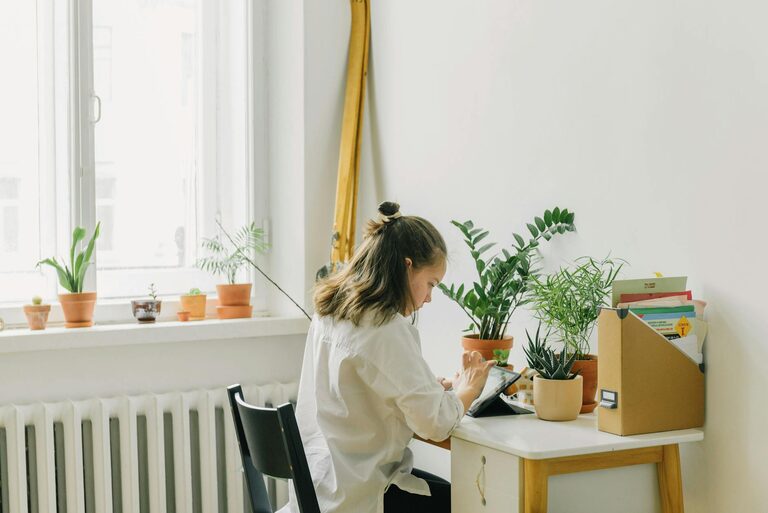
– Natural Light: Position your desk near a window if possible. Natural light boosts mood and energy levels, making tasks feel less tiring.
– Away from Distractions: Select a quiet spot, away from noisy household areas or where family members tend to gather.
– Use a Dedicated Space: Even a small area dedicated solely to work can help create mental boundaries between work and relaxation.
Invest in Comfortable and Functional Furniture
The furniture you choose plays a vital role in comfort and productivity.
– Ergonomic Chair: A supportive chair reduces back pain and helps maintain good posture during long working hours.
– Desk Size and Height: Your desk should comfortably fit your work essentials, with a height that allows your wrists and arms to rest naturally.
– Flexible Furniture: Consider adjustable desks or sit-stand options for varying your posture throughout the day.
Organise Your Workspace Efficiently
Keeping your workspace tidy and well-organised can reduce distractions and improve focus.
– Minimal Clutter: Limit items on your desk to essentials such as your computer, notepad, and necessary stationery.
– Storage Solutions: Use shelves, drawers, or desk organisers to keep supplies within reach but out of sight.
– Cable Management: Tidy cables using clips or sleeves to avoid a tangled mess and maintain a clean look.
Personalise With Calm and Motivating Elements
Adding personal touches can make your workspace feel inviting and motivate you.
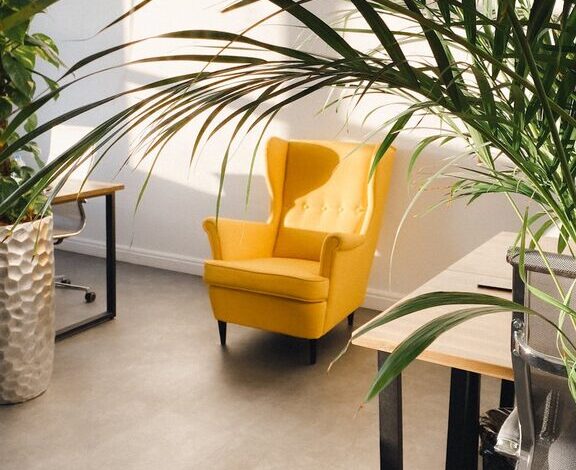
– Plants: Indoor plants improve air quality and add a sense of calm.
– Artwork or Photos: Inspirational images or calming artwork can provide mental boosts.
– Colours: Use soft, soothing colours like blues, greens, or warm neutrals to create a relaxing environment.
Control Lighting and Screen Setup
Proper lighting and screen arrangement help reduce eye strain and maintain energy.
– Adjustable Lighting: Use desk lamps with adjustable brightness and colour temperature suitable for the time of day.
– Screen Positioning: Place your computer screen at eye level and about an arm’s length away to avoid neck strain and eye fatigue.
– Anti-glare Measures: Use blinds or curtains to reduce glare during daylight hours.
Incorporate Break and Movement Areas
Taking breaks and moving regularly refreshes your mind and body.
– Designate a Break Spot: Create a separate, comfortable area to step away from your desk during breaks.
– Use Timers: Schedule regular short breaks to stand, stretch or walk.
– Exercise Equipment: Small equipment like resistance bands or a yoga mat nearby encourages gentle activity.
Minimise Noise and Enhance Focus
Sound environments affect concentration and stress.
– Noise-Cancelling Headphones: These help block out distracting sounds.
– Background Sounds: Soft music, white noise, or nature sounds can improve focus for some people.
– Soundproofing: Rugs, curtains, or wall panels can reduce echo and external noise.
Establish a Routine and Boundaries
Creating daily habits and clear boundaries supports productivity and wellbeing.
– Set Working Hours: Define when you start and finish work to separate professional and personal time.
– Dress for Work: Changing from lounge clothes into work-appropriate attire can prepare your mind for focus.
– Communicate Boundaries: Let household members know your work schedule and workspace importance.
Keep Technology Organised and Updated
Technology is essential but can be a source of frustration if not managed properly.
– Regular Updates: Keep your devices and software updated to avoid interruptions.
– Backup Important Files: Use cloud storage or an external drive to prevent data loss.
– Dedicated Charging Station: Avoid clutter by creating a specific area for charging devices.
Final Thoughts
A relaxing and productive home workspace is all about balance. By choosing the right location, investing in comfortable furniture, keeping your area organised, and adding personal yet calming touches, you can create an environment that supports both your mental wellbeing and work efficiency. Remember to incorporate breaks, manage noise, and maintain a clear work-life boundary to make your home workspace a place you look forward to each day.