Tips for Creating a Productive Home Office Environment
Creating a productive home office environment is essential for anyone who works from home. A well-designed and organised workspace can boost focus, enhance comfort, and improve overall efficiency. Whether you’re new to remote working or looking to upgrade your current setup, these tips will help you build an office that supports your best work.
Choose the Right Location
Selecting the right spot for your home office is the first step to productivity. Ideally, this space should be quiet and have minimal distractions. Here are some points to consider:
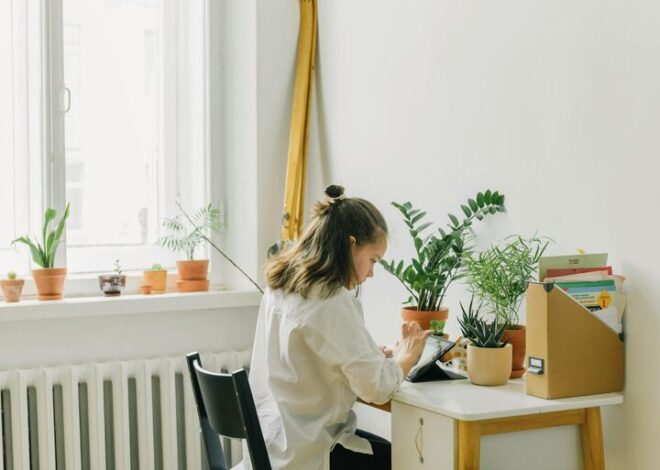
– Natural Light: Position your desk near a window if possible. Natural light reduces eye strain and can boost mood.
– Away from High Traffic Areas: Avoid placing your office where people frequently pass through to reduce interruptions.
– Dedicated Space: If possible, use a room or corner strictly for work. This separation helps your mind switch into work mode.
Invest in Ergonomic Furniture
Comfort is key in maintaining productivity. Spending long hours in poorly designed furniture can lead to discomfort and health problems. Consider:
– Ergonomic Chair: Choose a chair that offers good lumbar support, adjustable height, and comfortable cushioning.
– Desk at the Right Height: Your desk should allow your elbows to rest at around 90 degrees when typing.
– Footrest and Monitor Stand: Use accessories to maintain proper posture and reduce strain on neck and legs.
Keep Your Workspace Organised
A clutter-free environment can significantly improve concentration. Try these organisation tips:
– Use Storage Solutions: Shelves, drawers and filing cabinets help keep documents and supplies neatly stored.
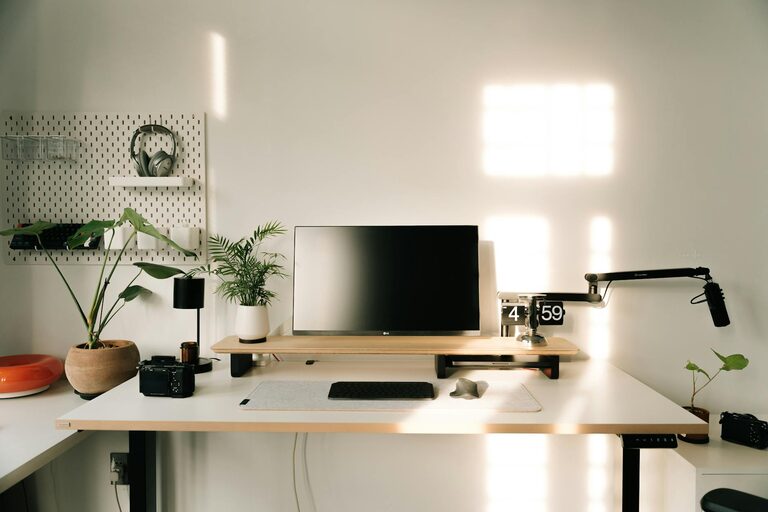
– Minimalist Desk Setup: Keep only essentials on your desk to reduce distractions.
– Cable Management: Tidy up cords using clips or cable sleeves to avoid mess and safety hazards.
Prioritise Good Lighting
Proper lighting helps prevent eye fatigue and keeps you alert. Apart from natural light:
– Task Lighting: Use a desk lamp with adjustable brightness to focus on your work area.
– Avoid Glare: Position screens and lights to minimise reflections and glare on your monitor.
Create a Personalised, Inspiring Space
Adding a few personal touches can make your workspace inviting and motivating:
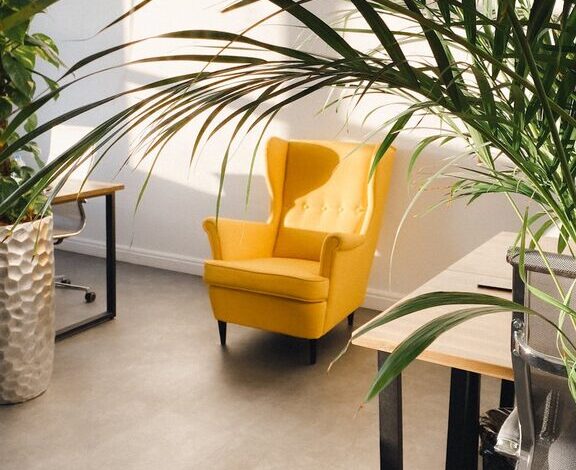
– Plants: Indoor plants improve air quality and add a touch of nature.
– Art and Photos: Display images or artwork that inspire you or bring you joy.
– Inspirational Quotes: A simple motivational quote on your wall can boost morale on tough days.
Minimise Distractions
Staying focused at home can be challenging. Here’s how to limit interruptions:
– Set Boundaries: Communicate your work hours to family or housemates clearly.
– Use Noise-Cancelling Headphones: Block out background noise to maintain concentration.
– Turn Off Notifications: Disable non-essential alerts on your devices during work time.
Optimise Technology and Tools
Having reliable technology helps maintain workflow without interruptions:
– High-Speed Internet: Choose an internet package that supports video calls and heavy data use smoothly.
– Quality Equipment: Invest in a good microphone, webcam, keyboard and mouse suited to your working needs.
– Backup Solutions: Use cloud storage or external drives to keep your work secure.
Plan Your Day and Take Breaks
An effective home office includes structured work habits:
– Create a Schedule: Plan work hours, breaks and tasks to maintain routine.
– Use Timers: Techniques like the Pomodoro method encourage focused work sessions with regular breaks.
– Take Short Breaks: Stretch, move or step outside briefly to refresh your mind and body.
Maintain a Healthy Work-Life Balance
Remember that your home office is part of your living space:
– Clear End of Day Shutdown: Close your work area or turn off devices to separate work and personal time.
– Comfort Breaks: Include moments for relaxation or hobbies during and after work.
—
Building a productive home office environment doesn’t require a huge budget or perfect space — just thoughtful choices that suit your needs. By focusing on comfort, organisation, and boundaries, you can create a workspace that enhances your efficiency and wellbeing every day.