
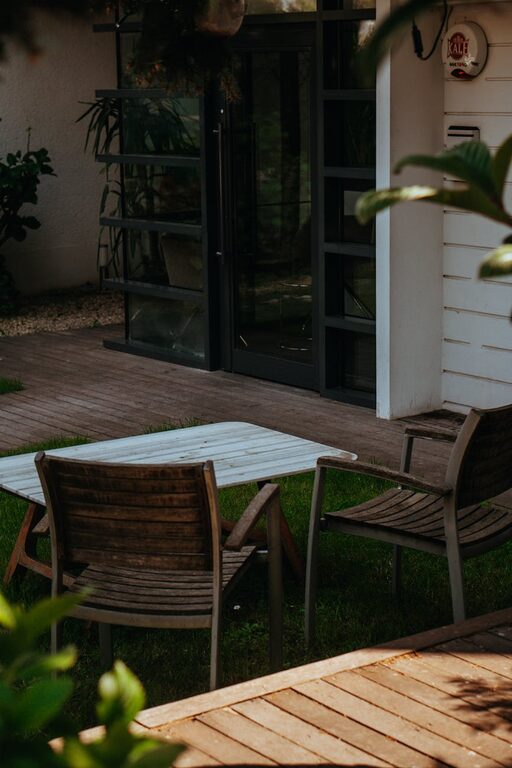
Tips for Creating a Relaxing Garden Space at Home
Creating a relaxing garden space at home is an excellent way to enjoy time outdoors, reduce stress, and enhance your overall wellbeing. Whether you have a large garden or a small patio, with thoughtful planning and a few simple touches, you can create a tranquil environment that invites rest and rejuvenation. This guide offers practical tips to help you design a peaceful garden sanctuary that suits your style and needs.
Why Create a Relaxing Garden Space?
A garden designed for relaxation offers more than just aesthetic value. It provides a quiet retreat from busy routines, encourages mindfulness, and supports mental health. The natural elements of plants, water, and fresh air can help reduce anxiety and improve mood. By creating a soothing outdoor space, you’re setting the stage for moments of calm and pleasure right at home.
Planning Your Garden Space
Before planting or decorating, it’s important to plan your garden carefully.
Assess Your Space
– Size and shape: Measure your garden or outdoor area to determine what furniture and plants will fit comfortably.
– Sunlight and shade: Observe where the sun shines during the day to choose suitable plants and shady spots for seating.
– Privacy: Consider natural or structural elements such as hedges, fences, or trellises to shield your space from neighbours.
Define Your Purpose
Think about how you want to use your garden. Do you want a spot to read, meditate, entertain, or simply observe nature? Knowing the purpose will guide your choices in layout, seating, and features.
Choosing Plants for Calm and Beauty
Plants are the heart of any relaxing garden and can influence mood with their colours, textures, and scents.
Opt for Soothing Colours
– Greens and soft blues are calming and help create a serene atmosphere.
– Whites, lavenders, and pastel shades add a gentle brightness without overwhelming the senses.
Consider Aromatic Plants
– Lavender, rosemary, jasmine, and mint release fragrance that can be very relaxing.
– Position these near seating areas or pathways for maximum enjoyment.
Incorporate Varied Textures
Mix leafy plants with soft grasses and sturdy shrubs to add visual interest and tactile variety.
Select Low-Maintenance Options
To keep your garden relaxing rather than stressful, choose plants suited to your local climate and soil, requiring minimal care.
Creating Comfortable Seating Areas
Comfort is key to a relaxing garden space. Consider these tips for seating:
Choose Weather-Resistant Furniture
Opt for materials like treated wood, metal, or weather-resistant rattan that will stand up to outdoor conditions.
Use Cushions and Throws
Add softness with cushions made from outdoor fabrics that resist moisture and fading.
Provide Shade and Shelter
Install umbrellas, pergolas, or shade sails to protect from strong sun and light rain, making the space usable in different weather.
Incorporating Water Features
The sound of water adds a calming sensory element to a garden.
Types of Water Features
– Small fountains or birdbaths create gentle sounds and attract wildlife.
– Ponds or waterfalls add a soothing moving water effect.
Placement Tips
Place water features where you can hear them while seated but avoid areas where water might cause dampness or attract pests.
Using Lighting to Enhance Tranquillity
Proper lighting extends the usability of your garden into the evening and highlights its beauty.
Soft, Warm Lighting
Use solar lanterns, fairy lights, or LED candles to create a gentle glow without harsh brightness.
Highlight Features
Illuminate pathways, plants, or water features subtly for an inviting ambiance.
Adding Personal and Decorative Touches
Make your garden truly yours with elements that speak to your tastes.
Natural Decorations
Incorporate stones, driftwood, or shells for texture and interest without overwhelming nature’s simplicity.
Garden Art
Use sculptures or wind chimes sparingly to add personality and soothing sounds.
Practical Accessories
Include side tables for drinks, outdoor rugs to define spaces, or garden stools for extra seating.
Maintaining Your Relaxing Garden
Regular upkeep is essential to keep your garden inviting.
– Water plants according to their needs without overwatering.
– Prune shrubs and deadhead flowers to encourage healthy growth.
– Keep seating areas clean and cushions dry.
– Check lighting and water features periodically for proper functioning.
Final Thoughts
Transforming your garden into a relaxing haven is about combining nature, comfort, and personal style. With mindful planning, a focus on calming elements, and a little care, your outdoor space can become a perfect retreat where you recharge and enjoy peace at home. Take your time, and don’t hesitate to experiment until you find what works best for you.
—
Creating a relaxing garden is within reach for all gardeners, regardless of experience or space. By following these tips, you can foster an outdoor sanctuary that welcomes tranquillity and enhances your quality of life. Happy gardening!
